
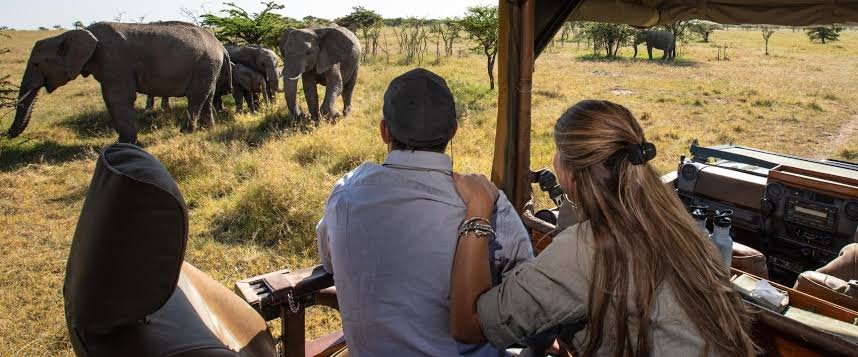
For many travellers, a safari sits at the very top of the bucket list, yet the planning can feel overwhelming at first. Distances are vast, seasons matter, and every country offers something different. The good news is that a first safari does not need to be complicated. With a clear idea of what you want to see, when you can travel, and how you like to spend your days, the choices quickly fall into place.
Choosing Where to Go
East Africa is the classic starting point. Tanzania’s Serengeti is famous for endless open plains and the Great Migration, when huge herds of wildebeest and zebra move in search of fresh grazing. Just across the border, Kenya’s Maasai Mara offers the same ecosystem in a more compact reserve, with excellent predator sightings and a strong network of camps for every budget. Both destinations reward travellers who want dramatic wildlife viewing without travelling too far between parks.
Southern Africa offers a different flavour. South Africa’s Kruger National Park is one of the most accessible options, with good roads, a wide range of lodges, and the chance to combine a safari with Cape Town or the Garden Route. Botswana’s Okavango Delta is wetter and wilder: a maze of channels and islands explored by boat, mokoro canoe, and 4×4. It tends to be pricier, but the sense of remoteness is hard to beat. Comparing itineraries for Safari Africa trips is a useful way to see how these regions differ in landscape, wildlife, and price before you commit.
Picking the Right Season
Timing shapes almost everything. The long dry season, roughly June to October in East and Southern Africa, is generally best for a first trip. Animals gather around waterholes and rivers, the grass is short, and game viewing is at its easiest. This is also peak season, so popular lodges fill up months ahead and prices are highest.
The green season, from around November to May, brings dramatic skies, newborn animals, and superb birdwatching. Some roads become muddy and a few remote camps close, but rates drop and parks feel far quieter. The migration’s calving season in the southern Serengeti, in January and February, is a particular highlight. Shoulder months such as May and November can offer a smart balance of value and viewing if your dates are flexible.
What a Typical Safari Day Looks Like
Most safari days follow the rhythm of the animals. You wake before dawn to coffee and rusks, then head out on an early game drive as the light turns golden and predators are still active. By mid-morning you return to camp for a relaxed brunch, followed by free time to rest, read, or watch wildlife from the deck during the heat of the day.
In the late afternoon, a second drive sets out, often ending with sundowners at a scenic spot before returning after dark, sometimes with a spotlight to look for nocturnal species. Evenings are for dinner under the stars and stories around the fire. It is a gentle, unhurried routine, and many first-timers are surprised by how restorative it feels.
Read Also: Upper Mustang Jeep Tour vs. Manaslu Trek: Discover Nepal’s Hidden Himalayan Wonders
A Note on Budgets and Booking Ahead
Safaris exist at almost every price level, and the biggest costs are usually accommodation, park fees, and internal transport rather than the game drives themselves. A shared group tour with comfortable lodges will cost far less than a private itinerary in exclusive concessions, yet both can deliver outstanding wildlife viewing. Decide early which comforts matter to you — a private vehicle, a pool, a shorter travel day — and where you are happy to keep things simple.
It also pays to think about trip length. Three nights in one park is a sensible minimum, because it gives you several drives in different weather and light, and a real chance to settle into the rhythm of the bush. Many first-timers combine two areas, such as the Mara with Amboseli, where elephants roam beneath Mount Kilimanjaro, for contrast without exhausting travel days in between.
A few practical tips complete the picture. Pack neutral-coloured clothing in layers, a warm jacket for cold mornings, a hat, sunscreen, and binoculars. Soft-sided bags are essential for small internal flights, and most lodges include laundry, so you can pack light. Finally, book with an operator who knows the parks well and supports conservation and local communities. A well-planned first safari rarely stays a once-in-a-lifetime trip for long — most people start planning their return before they have even landed home.
