Nepal a land synonymous with towering Himalaya (Himalayas), offers some of the world’s most breathtaking trekking routes. Among its many gems, the Langtang Trek and the Gosaikunda Trek stand out as remarkable journeys that combine natural beauty, cultural richness, and spiritual significance. These treks are ideal for adventurers seeking less crowded alternatives to Everest and Annapurna while still experiencing equally mesmerizing landscapes.
Introduction to Langtang Region
The Langtang region lies to the north of Kathmandu, bordering Tibet. Often referred to as the “Valley of Glaciers,” this area is known for its dramatic alpine scenery, lush forests, and traditional Tamang culture. The Langtang Trek offers trekkers an immersive experience through diverse ecosystems, ranging from subtropical forests to high-altitude glaciers.
Despite being one of the closest trekking regions to Kathmandu, Langtang remains relatively untouched compared to other popular routes. This gives trekkers a more authentic and peaceful experience, making it a hidden treasure for nature lovers.
Highlights of the Langtang Trek
The Langtang Trek is a journey filled with unforgettable sights and experiences. One of the most striking features is the gradual transition in landscapes. Trekkers begin their journey walking through dense forests of rhododendron, bamboo, and oak, often spotting wildlife such as red pandas and Himalayan black bears.
As the trail ascends, the scenery opens up to reveal snow-capped peaks, glacial rivers, and wide valleys. The village of Langtang, rebuilt after the devastating 2015 earthquake, stands as a symbol of resilience and hope.
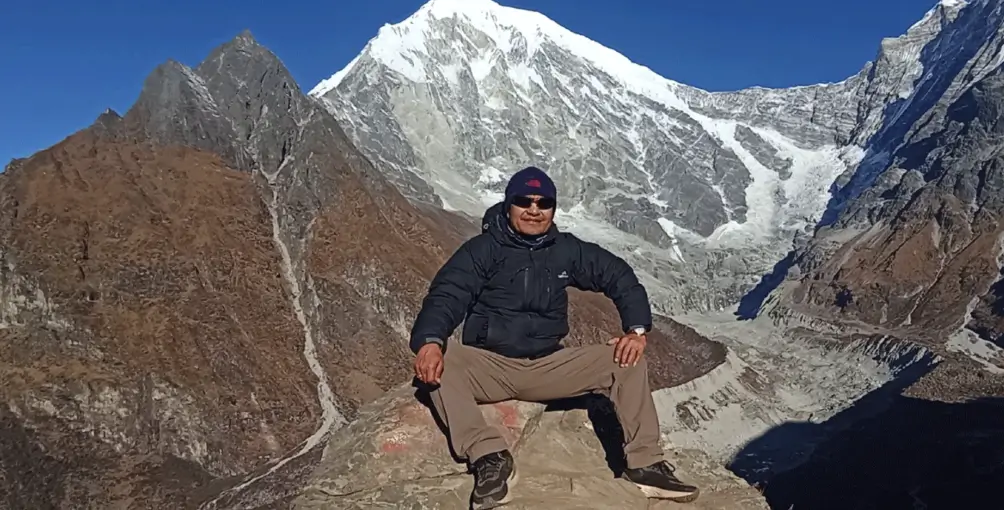
Another highlight is Kyanjin Gompa, a beautiful monastery surrounded by towering peaks. From here, trekkers can hike to viewpoints like Tserko Ri, which offers panoramic views of Langtang Lirung and surrounding mountains.
Cultural Experience in Langtang
The Langtang region is home to the Tamang people, whose culture is deeply influenced by Tibetan traditions. Along the trail, trekkers can experience local hospitality, taste traditional foods, and visit monasteries that reflect centuries-old Buddhist practices.
The simplicity of life in these villages provides a unique opportunity to disconnect from modern distractions and reconnect with nature and culture.
Overview of the Gosaikunda Trek
The Gosaikunda Trek is another spectacular journey in the Langtang region, known primarily for its sacred alpine lakes. Gosaikunda holds immense religious significance for both Hindus and Buddhists. According to Hindu mythology, the lake was created by Lord Shiva, making it a major pilgrimage site.
This trek is shorter than the Langtang Trek but equally rewarding. It offers stunning views of the Himalayas, rugged terrain, and a chance to witness spiritual traditions in a serene mountain setting.
Key Attractions of the Gosaikunda Trek
The main highlight of this trek is the cluster of high-altitude lakes, with Gosaikunda Lake being the most Famous (famous). Situated at an altitude of around 4,380 meters, the lake is surrounded by snow-covered peaks and remains frozen during winter.
During the Janai Purnima festival, thousands of pilgrims visit the lake, creating a vibrant and spiritual atmosphere. The trek also offers panoramic views of peaks such as Langtang Lirung, Ganesh Himal, and Manaslu.
The trail passes through forests, waterfalls, and rocky landscapes, providing a diverse trekking experience within a relatively short duration.
Comparing Langtang Trek and Gosaikunda Trek
While both treks are located in the same region, they offer different experiences.
The Langtang Trek is more focused on valley exploration, glaciers, and cultural immersion. It is slightly longer and provides a deeper understanding of the region’s lifestyle and geography.
On the other hand, the Gosaikunda Trek is more spiritual and centered around high-altitude lakes. It is ideal for those who want a shorter trek with a strong cultural and religious aspect.
For trekkers with more time, combining both treks into a single Travel (journey) is highly recommended. This combined trek offers the best of both worlds—glaciers, lakes, culture, and पर्वत (mountains).
Difficulty Level and Preparation
Both treks are considered moderate in difficulty, making them suitable for beginners with a reasonable level of fitness. However, altitude can be a challenge, so proper acclimatization is essential.
Trekkers should prepare by engaging in regular exercise, packing appropriate gear, and understanding altitude sickness symptoms. Hiring a guide can enhance the experience and ensure safety.
Best Time to Trek
The best seasons for both Langtang and Gosaikunda treks are spring (March to May) and autumn (September to November). During these months, the weather is stable, skies are clear, and the views are at their best.
Spring brings blooming rhododendrons, while autumn offers crisp air and stunning visibility. Winter treks are possible but can be challenging due to snow, especially around Gosaikunda.
See also: Secure Online System 8443295283 for Efficiency
Sustainable Trekking and Responsible Travel
Trekking in Nepal comes with the responsibility to protect its fragile environment. Trekkers are encouraged to follow eco-friendly practices such as minimizing plastic use, respecting local culture, and supporting local businesses.
Choosing locally owned lodges and guides contributes directly to the community, helping sustain livelihoods in remote areas.
Conclusion
The Langtang Trek and Gosaikunda Trek offer unique and enriching experiences that showcase the true essence of Nepal’s Himalaya. Whether you are drawn to the serene valleys of Langtang or the sacred lakes of Gosaikunda, both journeys promise unforgettable memories.
These treks are not just physical adventures but also spiritual and cultural explorations. They allow trekkers to witness the harmony between nature and tradition, making them truly special destinations for anyone seeking adventure with meaning.