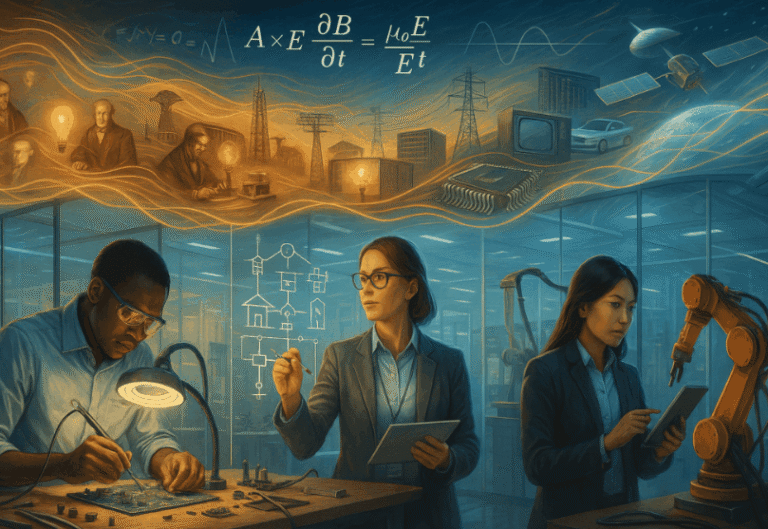
Technology has the power to connect individuals and communities across the globe, fostering collaboration and innovation. However, this connectivity is not evenly distributed. Many marginalized groups remain disconnected, facing barriers that prevent them from accessing the benefits of technological advancements. This gap raises critical questions about equity and inclusion. As society navigates these complexities, understanding the dual nature of technology becomes essential. What steps can be taken to bridge these divides?
The Digital Divide: Who’s Left Behind?
How does the digital divide manifest in contemporary society? It emerges as access inequality, where internet availability is uneven across different regions and demographics.
Socio-economic barriers exacerbate this divide, leaving marginalized communities without essential resources. Consequently, education disparities widen, as those lacking reliable internet struggle to keep pace with peers.
This disparity underscores the urgent need to address systemic inequalities for a more equitable future.
See also: How Technology Became the Backbone of Modern Civilization
Empowering Global Collaboration Through Technology
As technology continues to advance, it plays a pivotal role in fostering global collaboration, bridging geographical and cultural divides.
Remote teamwork is increasingly efficient through digital platforms, enabling diverse teams to collaborate seamlessly.
Likewise, virtual networking allows professionals to connect across borders, sharing knowledge and resources.
This empowerment enhances innovation and creativity, ultimately driving progress in addressing global challenges and fostering a sense of community.
Examples of Technology Bridging Global Gaps
While the digital divide remains a challenge, numerous examples illustrate how technology effectively bridges global gaps and fosters inclusivity.
Telemedicine access has revolutionized healthcare, allowing remote consultations and treatments in underserved areas.
Similarly, online education platforms provide learners worldwide with access to quality resources, enabling diverse populations to pursue knowledge and skills, thereby promoting equitable opportunities for personal and professional growth.
How to Create a More Equitable Tech Landscape
The successful application of technology in bridging global gaps highlights a pressing need for creating a more equitable tech landscape.
Prioritizing inclusive design ensures that products meet diverse community needs, fostering wider participation.
Additionally, enhancing community access to technology empowers marginalized groups, facilitating innovation and collaboration.
Conclusion
In the intricate tapestry of global society, technology serves as both a bridge and a barrier. Like a double-edged sword, it can uplift or isolate. For instance, a recent study revealed that while 90% of urban dwellers have internet access, only 40% of rural populations do. This stark contrast illustrates how technology can deepen divides, underscoring the urgent need for targeted initiatives. Ensuring equitable access is essential to transform technology from a divisive force into a unifying one.