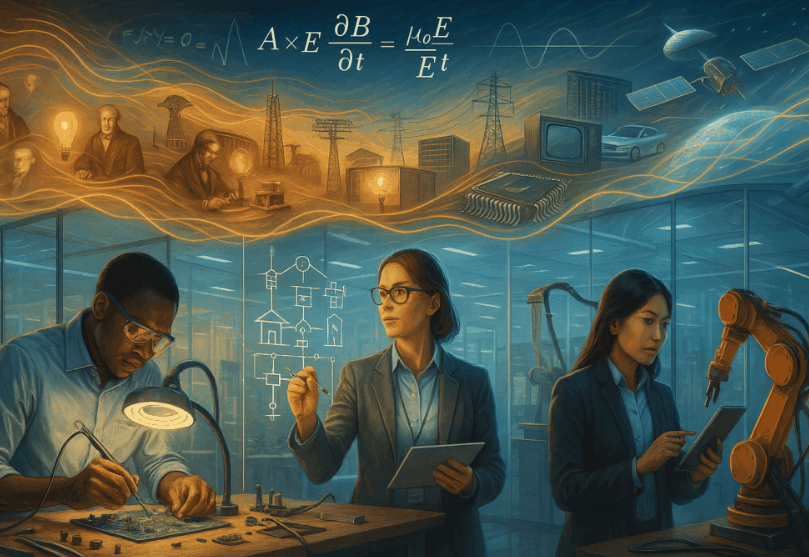
Technology has fundamentally altered the fabric of modern civilization. Its evolution has transformed communication, streamlined productivity, and catalyzed economic growth. The digital revolution, characterized by groundbreaking advancements, has blurred geographical boundaries and fostered global connections. As industries evolve, they face both challenges and opportunities, prompting a reevaluation of traditional practices. This transformation raises critical questions about the role of technology in future sustainability and societal balance. What lies ahead as these forces continue to shape human experience?
Key Moments in Technology That Changed Our Lives
Although the trajectory of human civilization has always been influenced by various factors, it is the pivotal moments in technology that have most significantly reshaped societies and lifestyles.
The digital revolution, marked by the advent of artificial intelligence, has transformed industries, economies, and daily life.
These innovations not only enhance productivity but also challenge traditional notions of freedom, autonomy, and human potential.
How Technology Transforms Communication and Connectivity?
The digital revolution has not only transformed industries and economies but also revolutionized the ways in which people communicate and connect.
Social media platforms and instant messaging applications have dismantled geographical barriers, enabling instant interactions and fostering global relationships.
This unprecedented connectivity empowers individuals to share ideas, express opinions, and collaborate freely, thereby enhancing the collective human experience and facilitating a more interconnected world.
How Technology Fuels Economic Growth?
Technology acts as a catalyst for economic growth by driving innovation, improving productivity, and creating new markets.
In the realm of digital economies, technology accelerates innovation cycles, enabling businesses to adapt rapidly and seize opportunities. This dynamic fosters competition, increases efficiency, and ultimately enhances living standards.
As societies embrace technological advancements, they unlock potential for economic expansion and individual freedom, paving the way for a prosperous future.
How Current Technology Innovations Promote Sustainability?
As economic growth propelled by technological advancements continues to reshape industries, a parallel focus on sustainability emerges, highlighting the role of innovation in addressing environmental challenges.
Current technologies foster renewable energy development, promote smart agriculture practices, enhance sustainable transportation systems, and drive waste reduction initiatives.
Together, these innovations empower society to balance economic ambitions with the imperative of preserving the planet for future generations.
Conclusion
In conclusion, technology’s evolution as the backbone of modern civilization is a multifaceted phenomenon that intertwines communication, economic growth, and sustainability. However, the theory positing that increased connectivity inevitably leads to social isolation warrants scrutiny. While technology has indeed fostered global relationships, it often creates a paradox where virtual interactions replace meaningful personal connections. Thus, as society navigates the digital landscape, it must critically assess the impact of technology on human relationships and communal well-being.