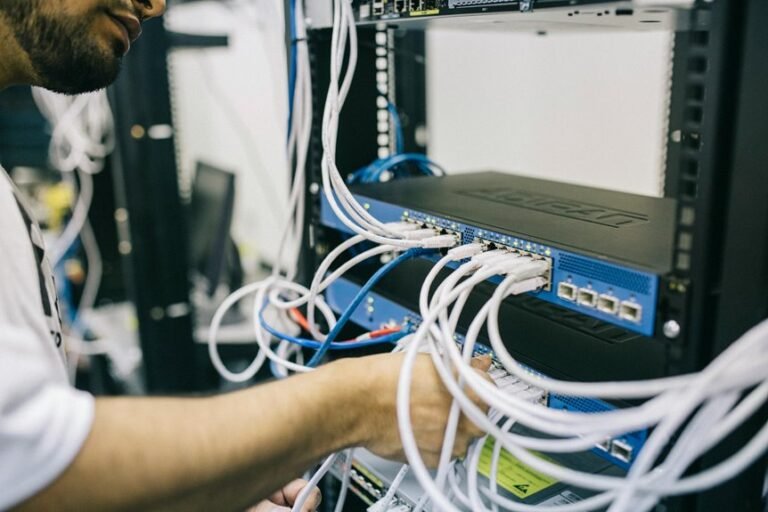
Sequential entry validation is essential for maintaining data accuracy within systems. The identifiers 933103565, 911175251, 605106207, 455226684, 971011664, and 536596155 exemplify this practice. Each identifier requires careful examination to ensure consistency and reliability. This validation process incorporates various techniques designed to identify potential errors. Understanding these methods and their implications can significantly impact operational efficiency. What specific challenges and solutions arise in the context of these identifiers?
Importance of Sequential Entry Validation
Although often overlooked, the importance of sequential entry validation is critical in ensuring data integrity and accuracy within various systems.
This process enhances error detection, allowing for immediate identification of inconsistencies. By maintaining data consistency, systems can operate efficiently, minimizing the risk of cascading errors that compromise overall functionality.
Thus, sequential entry validation serves as a foundational element in robust data management practices.
Overview of Identifiers
Identifiers play a crucial role in data management and validation processes. Various identifier types, such as numeric, alphanumeric, and UUIDs, facilitate unique data representation.
Each type adheres to specific data formats, ensuring consistency and reliability across systems. Understanding these differences empowers users to select appropriate identifiers, enhancing data integrity and streamlining validation efforts.
Ultimately, this fosters a more liberated approach to data handling and analysis.
Validation Processes and Techniques
Data validation processes and techniques are fundamental to ensuring data quality and integrity within systems.
Effective data validation involves systematic entry verification methods, including format checks, range validations, and consistency assessments. These techniques enable organizations to identify inaccuracies and inconsistencies early, promoting reliable data usage.
Ultimately, robust data validation fosters a culture of data-driven decision-making, empowering stakeholders with trustworthy information.
Best Practices for Data Integrity
Ensuring data integrity requires a strategic approach that incorporates best practices tailored to an organization’s specific needs.
Key practices include implementing robust validation techniques to enhance data accuracy and employing automated error reduction tools.
Regular audits and staff training further support these initiatives, fostering a culture of accountability.
Conclusion
In conclusion, the meticulous management of sequential entry validation for identifiers fosters a foundation of fidelity and fortitude in data integrity. By systematically scrutinizing each entry, organizations can safeguard against errors and ensure a seamless flow of information. This diligent approach not only cultivates confidence in data-driven decisions but also enhances operational effectiveness, ultimately paving the path for progress and precision in organizational practices. Thus, the significance of sequential validation cannot be overstated in today’s data-dependent landscape.